Is Your Home Truly Secure? How to Tell If Your Locks Are Outdated — And Why It Matters for Your Security.
In an ever-evolving world, the peace of mind that comes with a secure home is invaluable. Yet, many homeowners unwittingly compromise their safety by overlooking one of the most fundamental aspects of home defense: their locks. The reality is that technology, including that used by those with malicious intent, advances rapidly, making yesterday’s impenetrable barrier today’s easy target. Understanding the current state of your home’s entry points is not just a recommendation; it’s a necessity for safeguarding your family and possessions. This comprehensive guide will walk you through the critical signs of outdated locks, delve into the vulnerabilities they present, and explain why a proactive approach to your home’s security is more important than ever. We’ll explore how modern advancements offer superior protection and empower you to make informed decisions about securing your sanctuary.
Understanding the Vulnerabilities of Outdated Home Security
The foundation of any robust home security system lies in its physical deterrents, with door and window locks being the first line of defense. However, time and technological advancements have a way of rendering even once-reliable mechanisms obsolete. Outdated locks are not merely old; they represent significant security gaps that can be exploited by modern burglary techniques. These vulnerabilities range from simple wear and tear to fundamental design flaws that have been overcome by newer, more resilient lock technologies. Burglars are constantly adapting, learning new methods to bypass older locking systems, making it crucial for homeowners to stay one step ahead.
Consider the common pin tumbler lock, a design that has been around for centuries. While effective in its original form, older versions often lack features that protect against modern manipulation techniques such as picking, bumping, or drilling. Lock bumping, for instance, is a particularly insidious method where a specially cut “bump key” can open many conventional pin tumbler locks with a simple tap. This technique requires minimal skill and leaves no visible signs of forced entry, making it a favorite among professional thieves. Similarly, older locks may not be resistant to drilling, a forceful entry method that can quickly disable the locking mechanism. These methods highlight why it’s imperative to ask yourself, “Is Your Home Truly Secure? How to Tell If Your Locks Are Outdated — And Why It Matters for Your Security,” as the answer profoundly impacts your safety.
Furthermore, the materials used in older locks might not withstand modern brute-force attacks. Cheaper alloys or poorly constructed deadbolts can be easily pried, kicked in, or even snapped off, offering little resistance to a determined intruder. The strike plate, which is the metal plate affixed to the door frame that the bolt extends into, is another common point of failure. If an old strike plate is secured with short screws, it can be easily ripped out of the frame, negating the strength of even a good deadbolt. These subtle but critical weaknesses are often invisible to the untrained eye but are readily apparent to anyone looking to gain unauthorized access. Ensuring your residential security is up to par involves assessing these often-overlooked components.
Key Indicators: How to Tell If Your Locks Are Outdated
Identifying outdated locks doesn’t always require an expert eye; many signs are visible to the attentive homeowner. Knowing what to look for can be the first step in enhancing your home’s security posture. So, Is Your Home Truly Secure? How to Tell If Your Locks Are Outdated — And Why It Matters for Your Security? Let’s delve into the key indicators that suggest your locks might be past their prime and in need of an upgrade.
Physical Condition and Wear and Tear
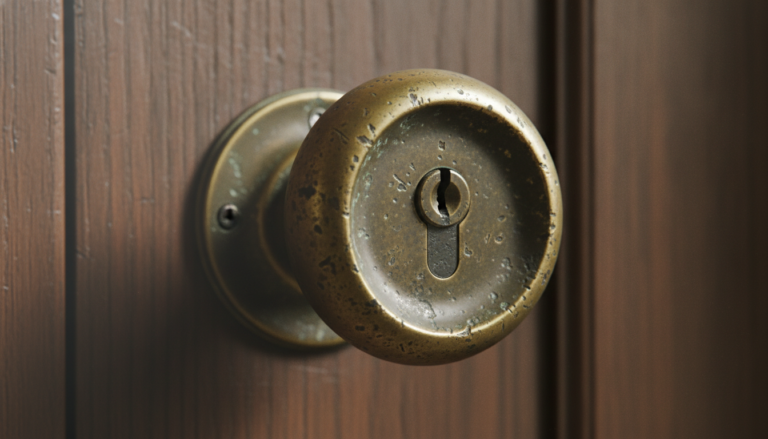
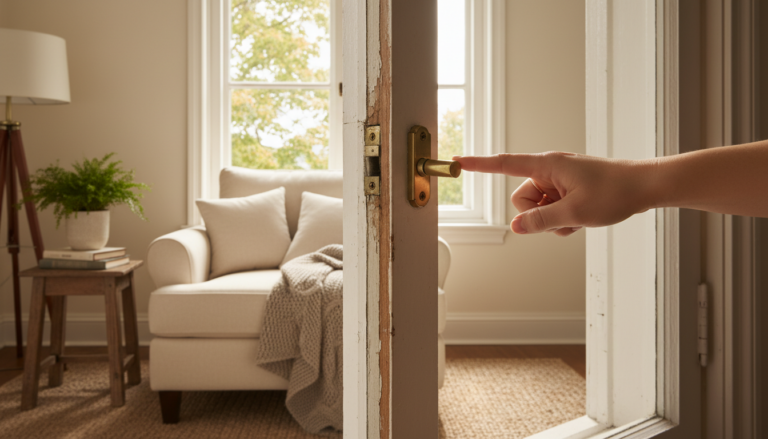
- Visible Rust or Corrosion: Any sign of rust, pitting, or corrosion on the lock’s exterior or around the keyhole indicates significant age and potential internal degradation. This not only affects aesthetics but can also compromise the lock’s functionality and strength.
- Loose or Wobbly Components: If the lock cylinder is loose, the handle wiggles excessively, or the deadbolt feels flimsy when extended, these are clear signs of internal wear or poor installation. A lock should feel solid and secure.
- Difficulty Turning the Key: If you frequently struggle to insert or turn your key, or if it feels sticky and requires jiggling, the internal mechanisms might be worn out, dirty, or misaligned. This makes the lock less reliable and potentially easier to manipulate.
- Scratches or Marks Around the Keyhole: While some wear is normal, excessive scratches or pry marks around the keyhole or lock body could indicate past attempts at forced entry or tampering.
Lack of Modern Security Features
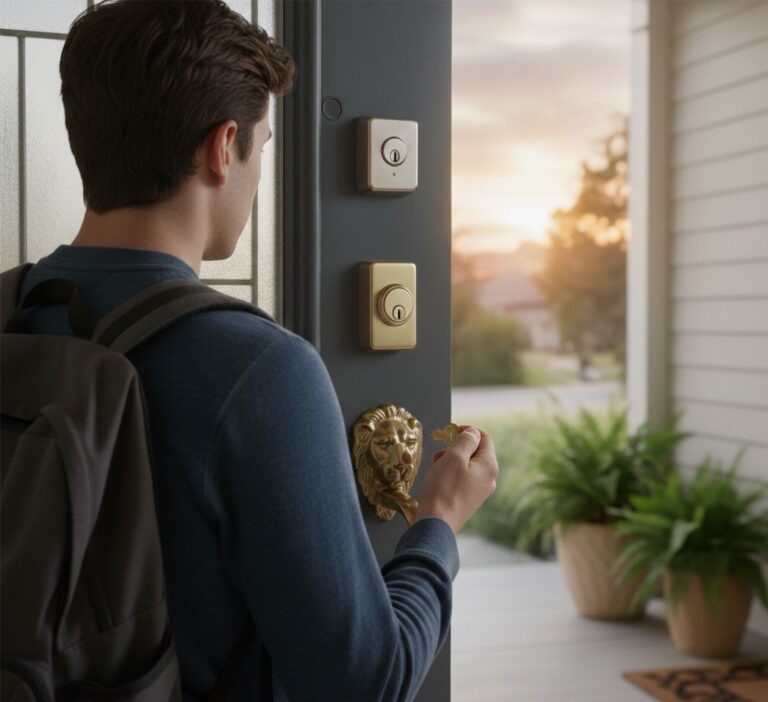
- Single-Cylinder Deadbolts Without Reinforcement: Many older homes feature single-cylinder deadbolts that can be easily opened from the inside with a thumb turn. While convenient for fire safety, if there’s glass near the door, an intruder could break the glass, reach in, and unlock the door. Modern deadbolts offer options like double cylinders or robust strike plate reinforcement.
- No ANSI Grade Rating: Quality locks are typically rated by the American National Standards Institute (ANSI) for their security and durability. A Grade 1 rating is the highest, indicating commercial-grade security, followed by Grade 2 (residential security), and Grade 3 (basic residential security). If your locks have no visible rating, or a low one, they might not meet current security standards.
- Standard Keyways (Not Restricted or High-Security): Older locks often use standard keyways that are easy to duplicate at any hardware store. High-security locks feature restricted keyways and patented key designs, making unauthorized duplication nearly impossible.
- Absence of Anti-Bump, Anti-Pick, or Anti-Drill Features: Modern high-security locks are designed with internal mechanisms to resist common attack methods like bumping, picking, and drilling. If your locks are old, they likely lack these crucial defenses, leaving your home vulnerable. You can learn more about upgrading your defenses in our post about the Top 7 Signs Your Home Locks Need an Upgrade (2025 Checklist).
Age of the Lock
While there’s no strict expiration date for a lock, if your locks are 10-15 years old or more, especially if they came with the house when it was built decades ago, they are likely outdated. Lock technology has evolved significantly even in the last decade, with improvements in materials, design, and internal mechanisms. A professional locksmith can assess your current locks and advise on their security level. If you’re wondering, “Is Your Home Truly Secure? How to Tell If Your Locks Are Outdated — And Why It Matters for Your Security,” an assessment is a wise first step.
Beyond the Basics: Advanced Lock Technologies for Enhanced Protection
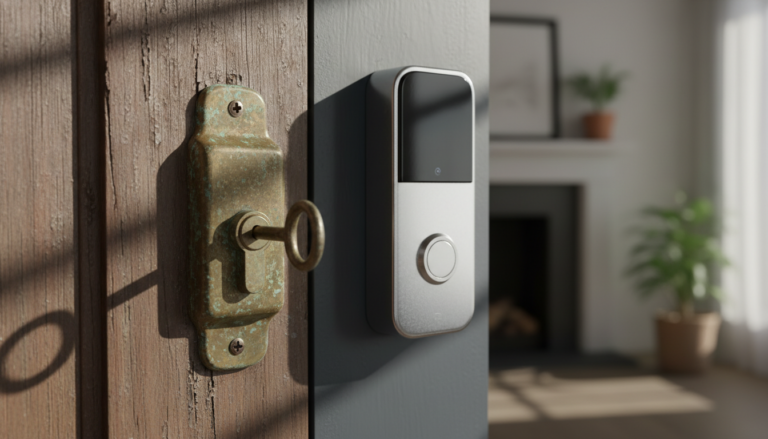
Once you’ve determined that your existing locks may be outdated, the next step is to explore the advanced lock technologies available today. The landscape of home security has transformed dramatically, moving far beyond simple mechanical locks to incorporate sophisticated electronic and smart features. These innovations offer not only superior protection but also enhanced convenience and control over your home’s access points. Understanding these options is key to truly answering the question: Is Your Home Truly Secure? How to Tell If Your Locks Are Outdated — And Why It Matters for Your Security.
High-Security Mechanical Locks
Even in the age of smart technology, advanced mechanical locks remain a cornerstone of robust security. These aren’t your grandmother’s deadbolts. High-security mechanical locks incorporate features designed to thwart sophisticated attacks:
- Reinforced Cylinders and Housings: Made from hardened steel or other robust alloys, these locks resist drilling, prying, and smashing.
- Complex Pin Configurations: Utilizing multiple rows of pins, side pins, or unique pin shapes, these locks are significantly more resistant to picking and bumping.
- Restricted Keyways: Keys for these locks are often patented and can only be duplicated by authorized dealers with proper identification, preventing unauthorized key copying.
- Longer Throw Deadbolts: Bolts that extend further into the door frame offer greater resistance to forced entry.
Smart Locks and Keyless Entry Systems
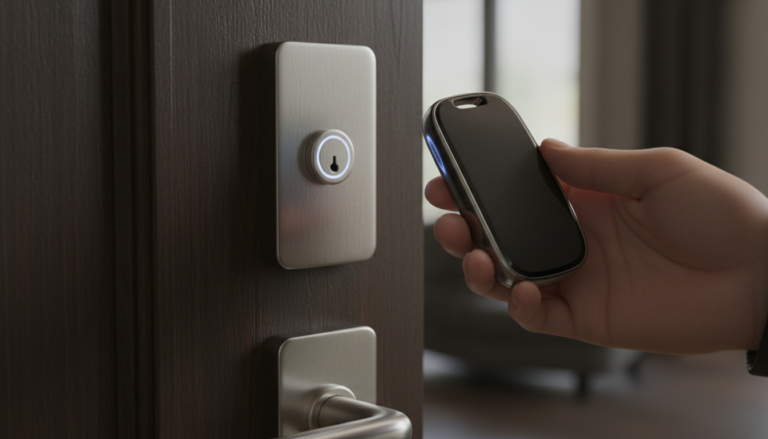
Smart locks represent the cutting edge of residential security, integrating seamlessly with smart home ecosystems. They offer a host of benefits beyond traditional locks:
- Keyless Convenience: Enter your home using a keypad code, fingerprint, or even your smartphone. This eliminates the risk of lost or stolen keys.
- Remote Access and Monitoring: Lock or unlock your doors from anywhere in the world using a mobile app. Receive notifications when doors are opened or closed, giving you real-time insight into who is entering and leaving your home.
- Temporary Access Codes: Grant temporary access to visitors, service providers, or family members with unique codes that can be set for specific times or durations.
- Integration with Other Smart Devices: Connect your smart locks with security cameras, alarm systems, and lighting for a comprehensive home automation and security solution. Many homeowners find this an excellent upgrade for their residential security.
When considering smart locks, it’s important to weigh their benefits against traditional options. Our detailed article, Smart Locks vs. Traditional Locks: Which Is Safer for Your Home in 2025?, provides an in-depth comparison to help you make the best choice for your needs.
Reinforced Door Hardware
Beyond the lock itself, reinforcing the surrounding hardware is crucial:
- Heavy-Duty Strike Plates: Replace standard strike plates with heavy-gauge steel plates secured with 3-inch screws that penetrate into the door frame studs, not just the trim.
- Door Frame Reinforcement Kits: These kits strengthen the weakest points of your door frame, making it much harder to kick in.
- Door Wraps/Armor: Metal plates that wrap around the edge of the door further protect against splitting or prying.
Investing in these advanced technologies provides a multi-layered defense that significantly enhances your home’s security, making it a much less attractive target for intruders. This proactive approach is essential for anyone asking, “Is Your Home Truly Secure? How to Tell If Your Locks Are Outdated — And Why It Matters for Your Security.”
The Critical Impact: Why Outdated Locks Matter for Your Home Security
Understanding the vulnerabilities and available solutions is one thing, but fully grasping the critical impact of outdated locks on your home security is paramount. It’s not just about inconvenience; it’s about the very real risks to your safety, privacy, and financial well-being. When we ask, “Is Your Home Truly Secure? How to Tell If Your Locks Are Outdated — And Why It Matters for Your Security,” we’re not just talking about physical barriers; we’re addressing a holistic sense of safety that outdated locks inherently compromise.
Increased Risk of Burglary and Home Invasion
The most immediate and obvious impact of outdated locks is the heightened risk of a break-in. Burglars are opportunistic; they seek the path of least resistance. A home with visibly old, flimsy, or easily bypassed locks presents an inviting target. As mentioned, techniques like lock bumping or simple forced entry are incredibly effective against older mechanisms that lack modern anti-attack features. The ease with which an intruder can gain entry directly correlates with the likelihood of your home being targeted. This isn’t just about property loss; a home invasion can lead to emotional trauma, a profound sense of violation, and long-lasting psychological effects for all occupants.
Compromised Insurance Claims
In the unfortunate event of a burglary, your insurance company will assess the circumstances. If it’s determined that your home’s security was inadequate due to outdated or poorly maintained locks, it could potentially impact your claim. Some policies may have clauses regarding reasonable precautions for home security. While rarely an outright denial, having substandard locks might lead to complications or reduced payouts, adding financial stress to an already distressing situation. It’s always best to ensure your security measures meet or exceed industry recommendations to protect your investments.
False Sense of Security
Perhaps one of the most insidious impacts of outdated locks is the false sense of security they provide. Homeowners often believe that because they have a lock on their door, they are protected. This complacency can prevent them from taking necessary precautions or investing in genuine security upgrades. The illusion of safety can be shattered in an instant, leaving residents unprepared and vulnerable. Truly understanding the answer to “Is Your Home Truly Secure? How to Tell If Your Locks Are Outdated — And Why It Matters for Your Security” means critically evaluating your current defenses, not just assuming they are sufficient.
Lack of Control and Peace of Mind
Modern lock technologies, especially smart locks, offer unparalleled control and peace of mind. The ability to monitor your home remotely, receive alerts, and manage access dynamically provides a layer of security that traditional, outdated locks simply cannot. Without these features, you lack real-time information about who is entering or attempting to enter your property. This absence of control can contribute to anxiety, especially when away from home, undermining the very purpose of a secure dwelling.
In essence, outdated locks are not just a minor inconvenience; they are a critical vulnerability that can have far-reaching consequences. Addressing this issue proactively is an investment in your family’s safety, your property’s protection, and your overall peace of mind. It’s a fundamental part of responsible homeownership, and a key component of our services, ensuring you are truly secure.
Upgrading Your Defenses: A Strategic Approach to Modern Home Security
Once you’ve identified that your locks are outdated and understood the significant risks they pose, the next logical step is to upgrade your defenses. This isn’t just about replacing one lock with another; it’s about adopting a strategic approach to modern home security that considers all entry points and leverages the best available technology. Is Your Home Truly Secure? How to Tell If Your Locks Are Outdated — And Why It Matters for Your Security? The answer lies in how thoughtfully you approach these upgrades.
Professional Assessment and Consultation
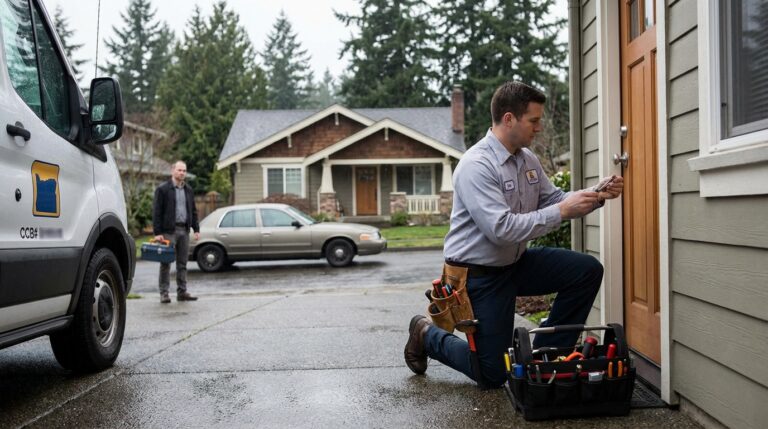
The first and most crucial step is to consult with a qualified and reputable locksmith. A professional can conduct a thorough security assessment of your entire home, identifying weak points not just in your locks, but also in your doors, frames, windows, and overall perimeter. They can provide expert recommendations tailored to your specific needs, budget, and lifestyle. This ensures that you’re investing in the right solutions for maximum impact. They can also advise on the best Our locations for service, including in areas like Happy Valley.
Prioritize Key Entry Points
Not all locks are created equal, and not all entry points face the same level of risk. Prioritize upgrading the locks on your main entry doors (front, back, garage-to-house) first. These should ideally feature high-security deadbolts with an ANSI Grade 1 or 2 rating. Consider secondary entry points like basement doors, sliding glass doors, and windows next, as these are often overlooked but can be significant vulnerabilities. For sliding doors, auxiliary locks like security bars or pin locks are highly effective.
Consider a Layered Security Approach
Effective home security is rarely about a single solution; it’s about creating layers of defense. This might include:
- Mechanical Lock Upgrades: Installing high-security deadbolts on all exterior doors.
- Smart Lock Integration: Adding smart locks for convenience, remote monitoring, and temporary access control.
- Door and Frame Reinforcement: Upgrading strike plates with longer screws and considering door frame reinforcement kits.
- Window Locks: Ensuring all windows have sturdy, functioning locks, possibly supplemented with secondary latches.
- Alarm Systems and Cameras: Integrating electronic surveillance and monitoring for an additional deterrent and evidence collection.
Regular Maintenance and Re-keying
Even the best locks require occasional maintenance. Lubricate them annually with a graphite-based lubricant to ensure smooth operation. Additionally, consider re-keying your locks whenever you move into a new home, lose a set of keys, or have a change in household dynamics (e.g., a contractor who had a key). This ensures that only authorized individuals have access to your property. For more information on lock maintenance and re-keying, you can always reach out to us at About us.
Stay Informed
The security landscape is constantly evolving. Stay informed about new threats and security technologies. Reputable locksmiths and security professionals are excellent resources for ongoing education. By taking a proactive and strategic approach, you can significantly enhance your home’s security and ensure that you can confidently answer yes to the question, “Is Your Home Truly Secure? How to Tell If Your Locks Are Outdated — And Why It Matters for Your Security.” Remember, your home is your sanctuary, and its protection is an ongoing commitment.
Conclusion: Your Home Security — A Priority, Not an Afterthought
The question, “Is Your Home Truly Secure? How to Tell If Your Locks Are Outdated — And Why It Matters for Your Security,” is more than just a thought-provoking query; it’s a call to action. In an age where security threats are ever-present and continually evolving, relying on outdated locking mechanisms is a gamble no homeowner should take. We’ve explored the significant vulnerabilities posed by old locks, detailed the key indicators to help you identify them, and highlighted the advanced technologies available to fortify your defenses. The critical impact of neglecting this aspect of home security, from increased burglary risks to compromised peace of mind, underscores the urgency of addressing any deficiencies.
Your home should be a fortress, a place where you and your loved ones feel absolutely safe and protected. This sense of security begins at your entry points. By investing in modern, high-quality locks and reinforcing your doors and frames, you are not just upgrading hardware; you are investing in your safety, your privacy, and your peace of mind. Don’t wait for an incident to prompt a security review. Take proactive steps today to ensure your home is genuinely secure.
If you’re still asking, “Is Your Home Truly Secure? How to Tell If Your Locks Are Outdated — And Why It Matters for Your Security,” it’s time to act. Contact a trusted professional locksmith to assess your current home security and discuss upgrade options. A professional evaluation can provide clarity and guide you toward the best solutions for your specific needs. Secure your sanctuary – because your family’s safety is priceless. Ensure your home is protected with a security posture that truly meets the demands of today. For further insights into home security best practices, consider visiting resources like the National Crime Prevention Council.