Navigating the complexities of home and business security in Oregon often brings up a critical question: Licensed vs. Unlicensed Locksmiths in Oregon: How to Check (And Why It Matters).
When you find yourself locked out, needing a lock change, or considering an upgrade to your security systems, the choice of locksmith can have profound implications for your safety, property, and peace of mind. In an urgent situation, it’s easy to grab the first number you see, but taking a moment to understand the credentials of the professional you’re inviting into your home or business is paramount. This guide will help you decipher the landscape of locksmith services in Oregon, equipping you with the knowledge to make an informed and secure decision.
Licensed vs. Unlicensed Locksmiths in Oregon: Understanding Locksmith Licensing Requirements in Oregon
Unlike some other states that have specific, statewide licensing boards for locksmiths, Oregon’s regulatory framework is somewhat unique. There isn’t a single, overarching state-mandated “locksmith license” that all practitioners must obtain. This distinction often causes confusion among consumers, making it even more critical to understand what constitutes a reputable and trustworthy locksmith in the state.
While a specific state license for locksmithing may not exist, legitimate locksmith businesses in Oregon are still subject to general business regulations. This means they should be registered with the Oregon Secretary of State, hold appropriate local business licenses in the cities or counties where they operate, and comply with all applicable tax laws. More importantly, professional locksmiths prioritize consumer protection and ethical practices, often evidenced by comprehensive liability insurance, bonding, and a commitment to background checks for their technicians. These measures, though not a “license” in the traditional sense, serve as vital indicators of reliability and accountability. Furthermore, many reputable locksmiths pursue professional certifications from industry associations like the Associated Locksmiths of America (ALOA), which signifies adherence to high standards of technical proficiency and ethical conduct. Understanding these nuances is the first step in differentiating between professional locksmiths and less reputable operators, and truly grasping the importance of Licensed vs. Unlicensed Locksmiths in Oregon: How to Check (And Why It Matters).
Licensed vs. Unlicensed Locksmiths in Oregon: How to Check (And Why It Matters)
The distinction between a truly professional, accountable locksmith and an unlicensed, potentially fraudulent one is subtle but critical, especially given Oregon’s specific regulatory environment. When we discuss “Licensed vs. Unlicensed Locksmiths in Oregon: How to Check (And Why It Matters),” we’re primarily referring to the presence of proper business registration, insurance, bonding, and professional affiliations that serve as proxies for a formal state license.
How to Check for Professional Credentials:
- Verify Business Registration: A legitimate locksmith business in Oregon will be registered with the Oregon Secretary of State. While this isn’t a “locksmith license,” it confirms they are a recognized legal entity. Ask for their official business name and registration number, then verify it online. They should also hold local business licenses for operation within specific cities or counties.
- Confirm Insurance and Bonding: This is arguably the most crucial credential. A reputable locksmith carries liability insurance to cover any damages that might occur to your property during service. Bonding provides financial protection against theft or dishonest acts. Always ask for proof of both.
- Check for Professional Affiliations: Membership in industry associations like the Associated Locksmiths of America (ALOA) or the Pacific Locksmiths Association indicates a commitment to professional standards, ongoing training, and ethical conduct. ALOA members often hold certifications that demonstrate their expertise.
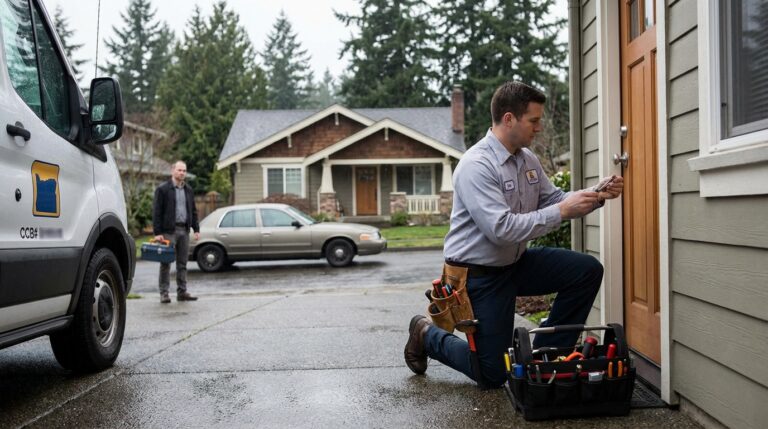
- Physical Business Address and Marked Vehicles: Be wary of locksmiths who operate solely out of unmarked vans or P.O. boxes. A legitimate business will have a verifiable physical address and their service vehicles will typically be clearly marked with the company name and logo.
- Online Presence and Reviews: Check their website, Google My Business profile, and other review platforms (Yelp, BBB). Look for consistent positive feedback and a professional online presence.
- Ask for Identification: When a locksmith arrives, always ask for their company ID. A professional will be happy to provide it.
Understanding these verification steps is paramount because the consequences of hiring an unvetted individual can range from shoddy work to outright security breaches. This is precisely why the question of Licensed vs. Unlicensed Locksmiths in Oregon: How to Check (And Why It Matters) weighs so heavily on your personal and property security.
The Risks of Hiring an Unlicensed Locksmith for Your Security Needs
The decision to hire a locksmith is fundamentally a matter of trust. You are granting someone access to your property’s most vital security features. When you opt for an unlicensed or unverified locksmith, you expose yourself to a myriad of significant risks that can compromise your safety, finances, and peace of mind. The implications of overlooking the crucial difference between Licensed vs. Unlicensed Locksmiths in Oregon: How to Check (And Why It Matters) cannot be overstated.
- Compromised Security: This is the most alarming risk. An unscrupulous or untrained individual might gain illicit access to your property, duplicate your keys without authorization, or leave your locks vulnerable to easy manipulation. They could potentially be involved in criminal activities, using their access to facilitate future break-ins.
- Substandard Workmanship and Damage: An unlicensed locksmith may lack the proper training, tools, or expertise to perform the job correctly. This can result in damaged locks, doors, or frames, necessitating expensive repairs. Poorly installed locks might fail prematurely, leaving your home or business unsecured. Imagine investing in a new smart lock system only for it to be installed incorrectly, rendering its advanced features useless.
- Exorbitant and Hidden Fees: Many unlicensed operators employ bait-and-switch tactics. They might quote an incredibly low price over the phone, only to inflate the final bill with hidden charges, labor fees, or “emergency” surcharges once they arrive and the customer is in a vulnerable position.
- Lack of Accountability and Recourse: Without proper insurance or bonding, if an unlicensed locksmith damages your property or performs faulty work, you have little to no legal or financial recourse. They may simply disappear, leaving you to bear the cost of repairs or re-keying your entire property.
- Voided Warranties: Improper installation or repair by an unqualified individual can void the manufacturer’s warranty on your locks or security hardware, leaving you without protection if the product fails.
- Privacy Concerns: Handing over your keys or entrusting your security to an unknown entity can lead to serious privacy breaches. This is especially pertinent for commercial clients where sensitive information or valuable assets are at stake.
These risks underscore why it is absolutely vital to understand Licensed vs. Unlicensed Locksmiths in Oregon: How to Check (And Why It Matters) before making a hiring decision. Your home and business security are too important to leave to chance.

How to Verify a Locksmith’s Credentials and Ensure Your Safety
Given the critical importance of choosing a reputable professional, knowing how to verify a locksmith’s credentials effectively is your strongest defense against potential risks. This proactive approach ensures your safety, the integrity of your property, and financial transparency. When considering Licensed vs. Unlicensed Locksmiths in Oregon: How to Check (And Why It Matters), these steps are your practical guide.
- Before Calling, Do Your Research: If possible, don’t wait for an emergency lockout to find a locksmith. Have a trusted provider in mind. Search for local locksmiths with good online reviews and a clear, professional website. Look for a physical address, not just a phone number.
-
Call and Ask Specific Questions:
- What is your full legal business name and physical address?
- Are you insured and bonded? Can you provide proof?
- What is the estimated cost of the service, including labor and parts? Are there any hidden fees? (Be wary of significantly low quotes, which can be a red flag for bait-and-switch tactics).
- Are your technicians background-checked?
- Are you a member of any professional locksmith associations?
-
Verify Upon Arrival:
- Identification: Ask the locksmith for their company ID and a business card. The information should match what you were given over the phone.
- Vehicle Identification: A professional locksmith’s vehicle should be clearly marked with the company name, logo, and contact information. Unmarked cars or generic signage are red flags.
- Estimate in Writing: Before any work begins, request a written estimate detailing all costs. Do not allow work to proceed without this.
- Observe Professionalism: A legitimate locksmith will arrive in a professional manner, use appropriate tools, and explain the work they are performing. They should be transparent about the process and answer all your questions thoroughly.
- Payment and Invoice: Insist on an itemized invoice that clearly lists all services performed, parts used, and the total cost. Pay with a credit card if possible, as it provides an extra layer of consumer protection.
By following these steps, you empower yourself to confidently navigate the market and choose a locksmith who upholds the highest standards of professionalism and integrity, thereby ensuring your safety and security. This diligent approach is precisely what is meant by understanding Licensed vs. Unlicensed Locksmiths in Oregon: How to Check (And Why It Matters).
Choosing a Professional: The Benefits of a Licensed Oregon Locksmith
When you prioritize hiring a professionally vetted locksmith, even in a state like Oregon where specific statewide locksmith licensing is not mandated, you are investing in unparalleled peace of mind and superior security. The benefits extend far beyond a simple lock repair or installation; they encompass reliability, accountability, and expertise. This choice directly addresses the core concerns of Licensed vs. Unlicensed Locksmiths in Oregon: How to Check (And Why It Matters).
- Unwavering Peace of Mind: Knowing that the individual you’ve entrusted with access to your home or business has undergone background checks, carries insurance, and operates as a legitimate business provides an invaluable sense of security. You can rest assured that your property is in safe, professional hands. This is crucial whether you need residential services or robust commercial security solutions.
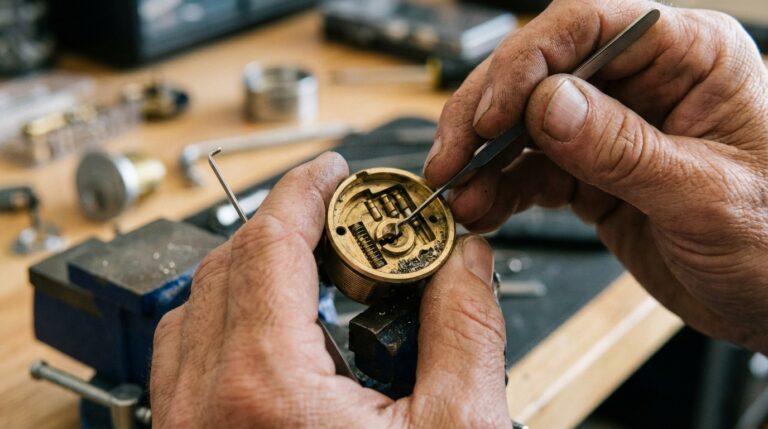
- Guaranteed Quality Workmanship: Professional locksmiths are trained, experienced, and equipped with the latest tools and techniques. They adhere to industry best practices, ensuring that any work performed, from a simple rekey to complex security system upgrades, is done correctly and effectively. This prevents future issues and ensures your locks function optimally.
- Accountability and Recourse: A reputable locksmith company stands behind its work. With proper insurance and bonding, you have protection in case of accidental damage or faulty service. This accountability is a stark contrast to the lack of recourse you face with an unlicensed operator.
- Transparent and Fair Pricing: Licensed professionals operate with integrity. They provide clear, upfront estimates and itemized invoices, eliminating hidden fees and predatory pricing tactics. You know exactly what you’re paying for, avoiding unpleasant surprises common with less scrupulous providers.
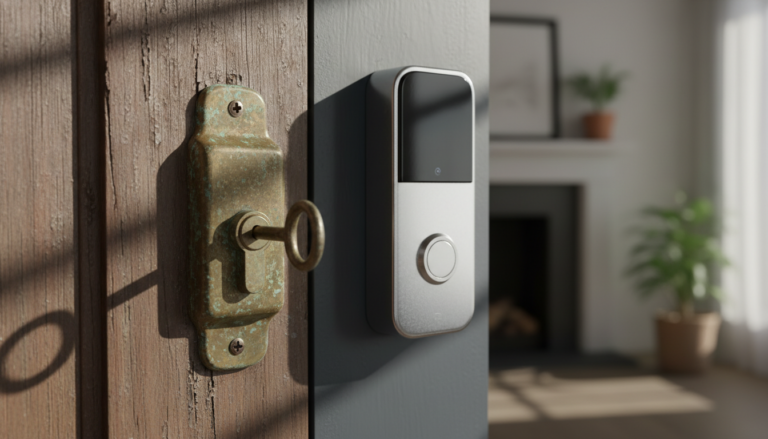
- Expertise in Modern Security Solutions: The world of security is constantly evolving. Professional locksmiths stay current with the latest advancements, from traditional mechanical locks to advanced keyless entry systems and smart home technology. They can offer informed advice and implement solutions tailored to your specific needs, whether it’s for your home or your automotive security.
- Long-Term Partnership: A trusted, professional locksmith isn’t just for emergencies. They become a valuable partner for all your ongoing security needs, offering maintenance, upgrades, and expert advice over time. This consistent relationship builds trust and ensures your security remains robust.
By choosing a professional locksmith who demonstrates these credentials, you’re not just getting a service; you’re securing a relationship built on trust, expertise, and a commitment to your safety. This is the ultimate benefit of understanding Licensed vs. Unlicensed Locksmiths in Oregon: How to Check (And Why It Matters).
Conclusion
The security of your home, business, and vehicle is not something to take lightly. In Oregon, where specific statewide locksmith licensing isn’t in place, the responsibility falls to the consumer to exercise due diligence. Understanding the critical difference between Licensed vs. Unlicensed Locksmiths in Oregon: How to Check (And Why It Matters) empowers you to make informed decisions that safeguard your property and well-being.
By prioritizing locksmiths who are properly registered, insured, bonded, and affiliated with reputable industry organizations, you choose professionalism, accountability, and peace of mind. The risks associated with unverified operators—from compromised security to financial scams—are simply too significant to ignore. Always take the time to verify credentials, ask pertinent questions, and insist on transparency.
For reliable, professional locksmith services in Oregon, contact a trusted provider like The Tustan. We are committed to upholding the highest standards of integrity and expertise for all your emergency opening, residential, commercial, and automotive locksmith needs. Don’t compromise on your security; choose a partner you can trust. When you need a locksmith you can rely on, remember the importance of understanding Licensed vs. Unlicensed Locksmiths in Oregon: How to Check (And Why It Matters).